Guides
How to Spot Fake Sports Cards and Fake PSA Slabs in 2026
How to spot fake sports cards and fake slabs: PSA's holder and label checks, the light test, CGC label features, autograph holograms and when to ask PSA.
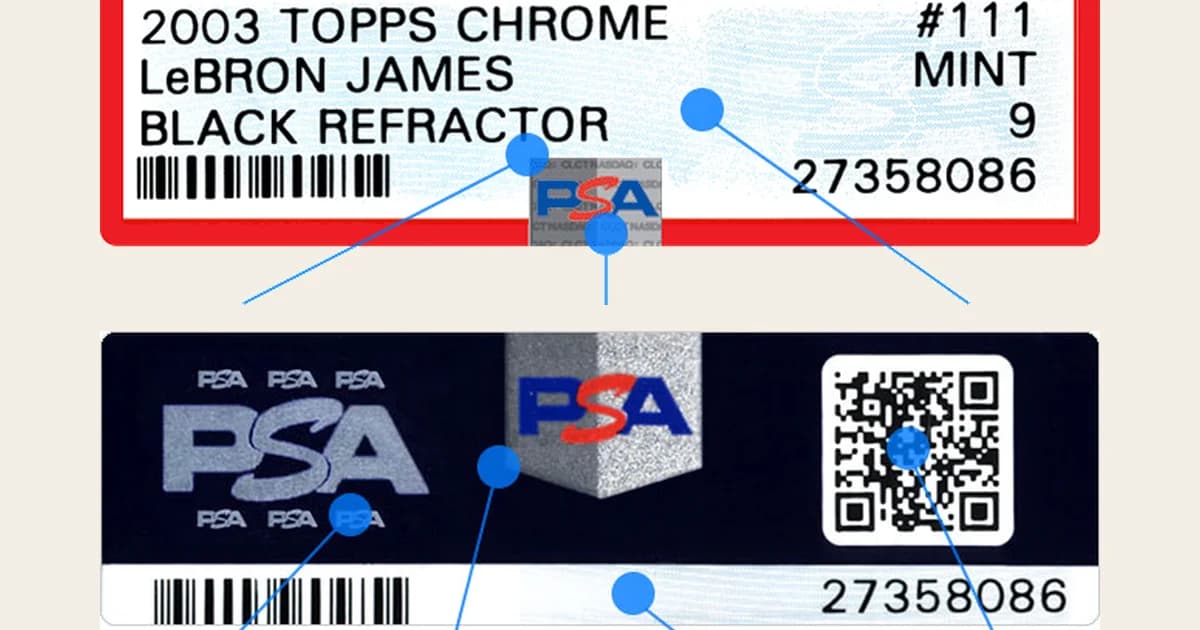
How to spot fake sports cards comes down to two jobs: checking the holder and label of a graded card, and checking where a raw card or autograph came from. This guide uses PSA's and CGC's own security pages, Upper Deck's authentication pages and eBay's rules, all read on October 11, 2026.
TL;DR: On a PSA slab, check the edges for "frosting" or cracks, check that the plastic does not flex, and hold the label to a strong light; on a real label you can make out the text on the other side. Then look up the cert, but do not stop there: in our reading a matching number alone does not prove the slab is genuine, so compare the card with PSA's record. CGC labels carry microprinting, UV ink and holographic foil. For autographs, match the hologram number to its certificate. When in doubt, PSA will review a slab before you buy.
How to spot fake sports cards (quick answer)
For a graded card, run the physical checks PSA describes (holder edges, holder flex and a label light test), then check the cert number. PSA says "Each PSA-graded item is chronicled and can be easily accessed to confirm validity," and its label's QR code gives "instant access to Cert Verification." For a raw card or an autograph, buy from a known seller and, for signed items, ask for the hologram number, as Upper Deck advises. PSA's own advice: "It is imperative that you find a reputable dealer or auction house to buy from."
Key Takeaways
- Counterfeit, defined: "A counterfeit card is one manufactured by anyone other than the official company that produces it" (CGC).
- Holder checks (PSA): frosting or cracks at the edges, plastic that flexes, a reglued holder that may crack and pop open under fingernail pressure.
- Label check (PSA): a real label is thin enough to see the reverse text through it under a strong light.
- Label features: PSA's LightHouse hologram, fugitive ink, UV logo and QR code; CGC's microprinting, UV ink and holographic foil.
- Cert lookup: necessary but not enough on its own, in our reading; a 2026 forum case involved a suspect listing whose barcodes and QR code all led to a real PSA record.
- Autographs: match the hologram number on the item to its certificate.
- Ask PSA: it will review an item before purchase.
Overview: fake cards, fake slabs and altered cards
Three different problems get called "fake." A counterfeit card is printed by someone other than the maker; CGC "does not certify counterfeit cards." PSA's no-grade code N4, Questionable Authenticity, "is the term used when a card appears to be counterfeit or when the autograph is deemed to be not genuine," and that designation "would never qualify for encapsulation under any circumstance." By a fake slab we mean a real or counterfeit card in a holder or label that the grader did not make. An altered card is genuine but changed after it left the factory; we cover that in our guide to spotting a trimmed sports card.
Fakes are not new. Upper Deck says "When Upper Deck was founded in 1988, the market was flooded with fake trading cards," which is why "the company decided to integrate high-tech security holograms into Upper Deck trading cards." PSA's buyer's guide is blunt about the slab side: "there are unscrupulous individuals who attempt to either counterfeit or tamper with our products."
Analysis: check the PSA holder
PSA explains that its holder "is tamper-evident as a result of the sonic weld that seals the two parts of the PSA holder together. This is, of course, not the same thing as tamper-proof." Tampering leaves signs:
- Frosting and cracks. Look for "what is commonly referred to as "frosting" along the edges where the clear plastic starts to exhibit a cloudy appearance," and for "minor fractures or cracks in the plastic."
- Flex. A sealed holder is rigid; "once the sonic weld is broken (as a result of tampering) the plastic becomes more flexible again."
- Glue. A reglued holder can fail a simple test: "with pressure applied along the edge with something as simple as a fingernail, the holder may often start to make a cracking noise and pop open."
PSA's security page says its current holder design "more readily reveals tampering."
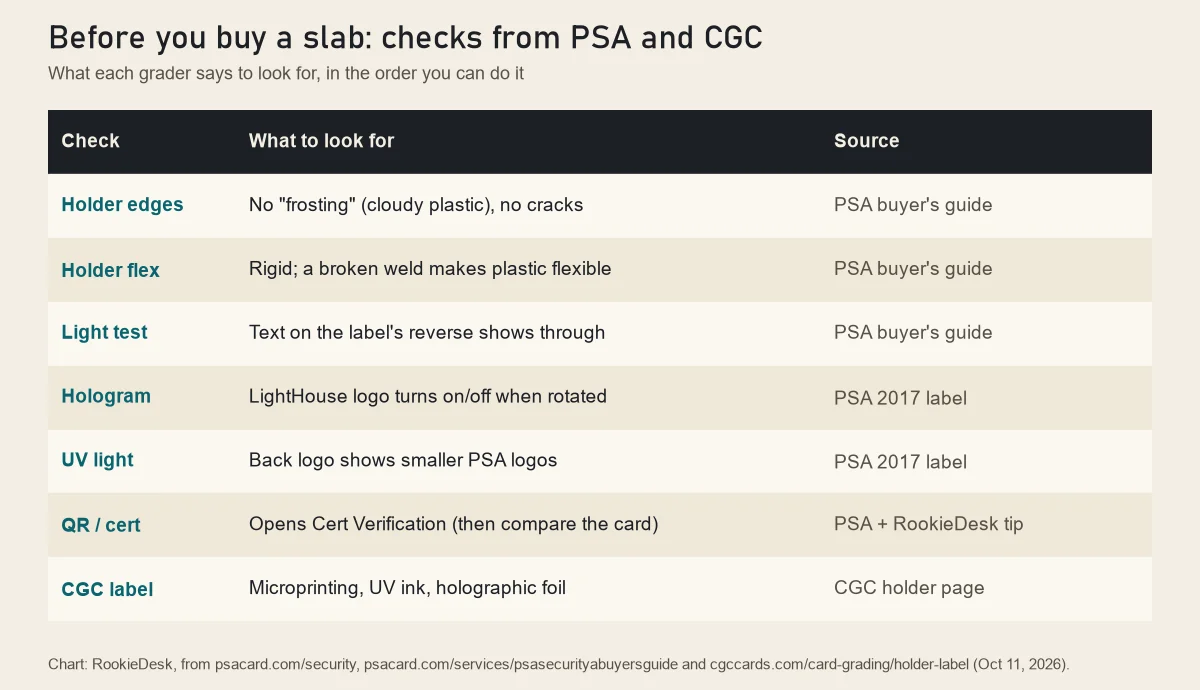 Chart: RookieDesk, from PSA's security pages and CGC's holder page (read October 11, 2026)
Analysis: check the label
The light test. "If you hold an authentic PSA-certified item up to a light at close range," PSA says, "you should be able to see through the label enough to decipher the text on the other side." The test catches one known trick: "a forger may attempt to simply add a fake front to a real PSA label," and then "the label is now too thick to see the opposing side of the label." PSA adds that "some forgers will try this technique by attempting to replicate an older style PSA label."
LightHouse features. PSA's 2017 label has a hologram "upgraded to proprietary Lighthouse ™ technology, which creates an "on/off" illumination effect when rotated." Its "fugitive ink will dissolve and wash away when exposed to cleaning chemicals." On the back, "The PSA logo on the lower left of the reverse of the label will illuminate to reveal additional smaller PSA logos, when hit with a UV light," and you can "Scan the QR code on the reverse of the label with the PSA Cert Verification app."
CGC labels. "To prevent against counterfeiting, the CGC Cards label features microprinting, UV ink, holographic foil and a unique certification number and barcode."
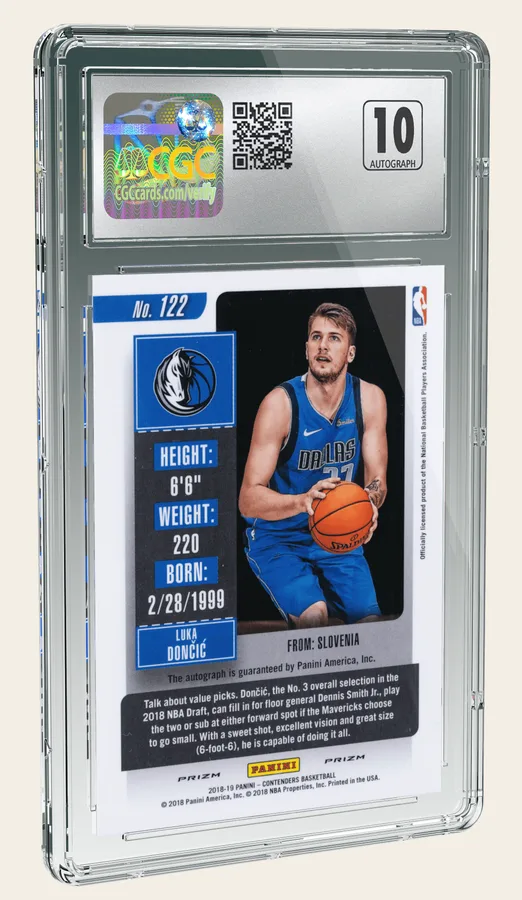 Image: CGC Cards
Analysis: why a matching cert number is not enough
Looking up the cert is the first step, not the last. In a July 2026 Collectors Universe thread, DotStore described a high-value listing: "I'm seeing a high-value PSA-graded card on eBay that looks a little off to me." The numbers did not settle it: "The Barcode on the front and the back (as well as the QR Code on the back) all bring me to the PSA graded card." In our reading, a lookup proves that PSA graded a card with that number, not that the slab in front of you is the one PSA made, which is why the physical checks above still matter.
PSA's records help more when they include pictures. PSA "now offers a cost-free "SecureScan" service to orders seeking Express level service or higher," taking front and back scans and "uploading them to its online Certification Verification site." When a record has scans, compare the card in the listing with them.
Photos are a warning sign in their own right. In a 2022 thread about a convincing fake, pab1969 wrote: "I have to admit that is a really good fake. Usually, I can spot something off with the label but this one is tough." handyman's reply: "Crappy photos are the first clue." (thread)
GODEEPER: What each PSA grade means once you know the slab is real. PSA Grading Scale Explained: What PSA 10, 9 and 8 Mean →
Analysis: autographs and memorabilia
Upper Deck's authentication process puts a number on every signed piece: "Step 3: A UDA serial numbered hologram is affixed to each signed piece of memorabilia," and "Step 4: A certificate of authenticity is assigned to every piece of memorabilia and includes a matching hologram to the one affixed to the item." It warns that "forgers are now using images of UDA memorabilia for their online sales. Make sure to ask what the hologram number on the piece is," and says you can call "(800)551-8220 to confirm that hologram number corresponds to the piece they are selling."
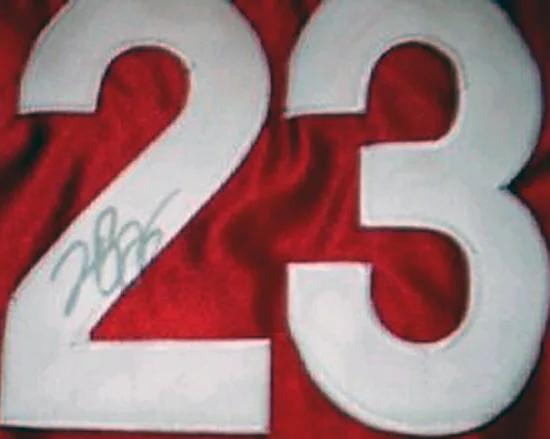 Image: Upper Deck
Upper Deck's own test makes the point: after showing a set of signed items, it writes "if you said any of these images were real you would be wrong. They are all items that have been forged and sold to unsuspecting customers."
PSA marks the items it authenticates. "In 2012, PSA/DNA added a special hologram to its Certificates of Authenticity (COA)," and newer COAs carry a PSA-branded hologram; "the older COAs are still valid." Its serialized stickers react to tampering: "PSA's non-destructive old labels will still checkerboard when tampered with," while "the new labels will break apart."
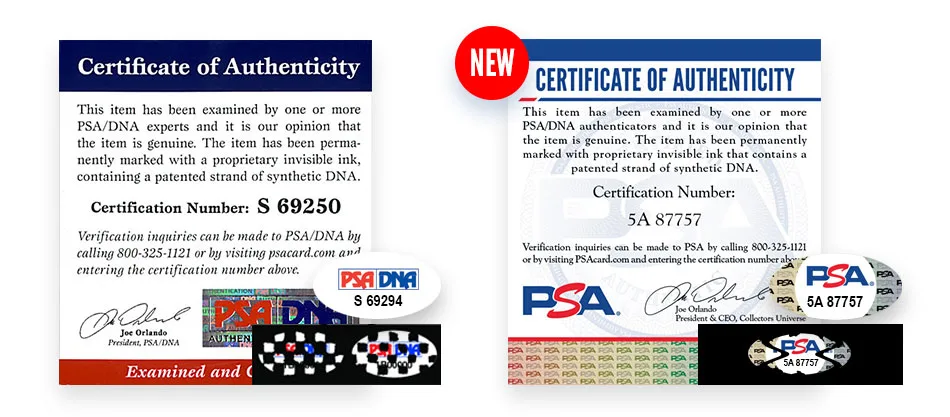 Image: PSA
Analysis: buy where someone else checks first
For cards that sell for $200 or more on eBay, the eBay Authenticity Guarantee sends the card to PSA first; for graded cards eBay says this means "inspecting the sealed plastic holder for signs of tampering and verifying that the case and label are authentic to the grader," and "if a plastic sealed holder is found to be fake or exhibit signs of tampering, PSA will deactivate its certificate and issue a notice to the seller."
Off eBay, PSA offers a direct route: "you are welcome to contact us and arrange for that item to be reviewed," and "There is nothing wrong with asking a seller to make a deal contingent on PSA's confirmation." Both PSA and Upper Deck warn about offers that look too good. PSA: "If you are directly solicited by a person or company with whom you have no prior dealings or relationship, you should approach the offer with caution." Upper Deck: "Don’t be afraid to pass up deals that seem too good to be true because in all likelihood, they are." Upper Deck also suggests you "Check the seller’s history to see how many sales they have completed, their feedback ratings for completed transactions."
Our take
Based on the grader and manufacturer guidance cited above: treat a slab as three things to check, not one. The holder should be rigid with clean edges, the label should pass the light test and show its security features, and the cert record should match the card you are looking at, including the scans when PSA has them. A cert number on its own proves little, as the 2026 forum case shows. For anything expensive, use a route where someone else checks first: eBay's guarantee above $200, or PSA's review before you pay.
Frequently Asked Questions
The six questions above cover fake PSA slabs, cert numbers, PSA and CGC label features, PSA's pre-purchase review and checking autographs.
How can you tell if a PSA slab is fake?
Start with PSA's own checks. Look for frosting, cloudy plastic or cracks along the holder edges, and see whether the plastic flexes, since PSA says a broken weld makes it more flexible. Hold the label up to a strong light: on a real label you should see the text on the other side. Then check the cert number on PSA's Cert Verification.
Is a matching cert number proof that a slab is real?
Not on its own, in our reading. A cert lookup confirms PSA graded a card with that number; it does not prove the slab in your hand is that card. In a 2026 Collectors Universe thread, a collector described a listing that looked off even though the barcodes and QR code all led to the PSA record. Compare the card in hand with the record, and with PSA's SecureScan images when the record has them.
What security features are on a PSA label?
PSA's 2017 LightHouse label has a logo with an on and off illumination effect when rotated, a fugitive ink pattern that washes away with cleaning chemicals, a PSA logo on the back that shows smaller logos under UV light, and a QR code on the back that opens Cert Verification.
What security features does a CGC label have?
CGC says its label features microprinting, UV ink, holographic foil and a unique certification number and barcode, to prevent counterfeiting. CGC also says it does not certify counterfeit cards, which it defines as cards made by anyone other than the official company that produces them.
Will PSA check a slab before I buy it?
PSA's buyer's guide says that if you have any concern about an alleged PSA-certified item before purchase, you are welcome to contact PSA and arrange for it to be reviewed. It adds that there is nothing wrong with making a deal contingent on PSA's confirmation.
How do I check an autographed card or memorabilia?
Look for the authenticator's serialized hologram and certificate. Upper Deck says each UDA signed piece carries a serial numbered hologram with a matching certificate, and you can confirm the number with Upper Deck. PSA says its newer autograph stickers break apart when tampered with, while older ones checkerboard.
How we checked this
PSA's security page, its buyer's guide, its 2017 label announcement, its About page and its grading standards were read on October 11, 2026, as were CGC's holder and label page and its FAQ on accepted cards, Upper Deck's authenticity page and its forgery blog post, and eBay's trading card Authenticity Guarantee page. Forum quotes were read on Collectors Universe the same day. PSA's and CGC's cert lookup pages did not load for us, so we describe them only from the pages above. We looked for Justice Department releases on counterfeit card cases but could not open them, so none are cited. The checklist chart is a RookieDesk graphic built only from the pages cited. We did not test any slab ourselves. Full source table: data/sources/how-to-spot-fake-sports-cards.sources.md.
References
- PSA, security (LightHouse label, holder, SecureScan, autograph COAs): https://www.psacard.com/security
- PSA, "PSA Security: A Buyer's Guide": https://www.psacard.com/services/psasecurityabuyersguide
- PSA, "PSA Labels Get New Look, New Technology" (June 14, 2017): https://www.psacard.com/articles/articleview/9234/psa-labels-get-new-look-new-technology
- PSA, about PSA (Cert Verification): https://www.psacard.com/info/about-psa
- PSA, grading standards (N4 Questionable Authenticity): https://www.psacard.com/gradingstandards
- CGC Cards, holder and label: https://www.cgccards.com/card-grading/holder-label/
- CGC Cards, cards accepted FAQ: https://www.cgccards.com/about/help-center-faqs/cgc-cards-grading/cards-accepted-by-cgc-cards/
- Upper Deck, authenticity and fraud prevention: https://upperdeck.com/authenticity-fraud-prevention/
- Upper Deck, "Forgery or Authentic? Be careful purchasing collectibles": https://upperdeck.com/forgery-or-authentic-be-careful-purchasing-collectibles-this-holiday-season/
- Collectors Universe forums, "eBay Authenticity Guarantee: what does PSA do when they find a fake holder?" (2026): https://forums.collectors.com/discussion/1124267/ebay-authenticity-guarantee-what-does-psa-do-when-they-find-a-fake-holder
- Collectors Universe forums, "Pretty good PSA fake" (2022): https://forums.collectors.com/discussion/1081082/pretty-good-psa-fake
Related Reading
- What Is a Pop Report? PSA, SGC and CGC Population Explained: the grader databases behind each cert number.
- PSA Grading Fees 2026: Every Tier, Price and Turnaround: what it costs to have PSA grade or review a card.
- How to Start Collecting Sports Cards: 2026 Beginner Guide: where new collectors usually buy their first singles.
About the author

Editorial desk
The RookieDesk desk. We read the paperwork before you open the box: Topps' checklists and odds sheets, the box art, grader fee pages. Every number links to its source and carries the date we checked it.
Keep reading
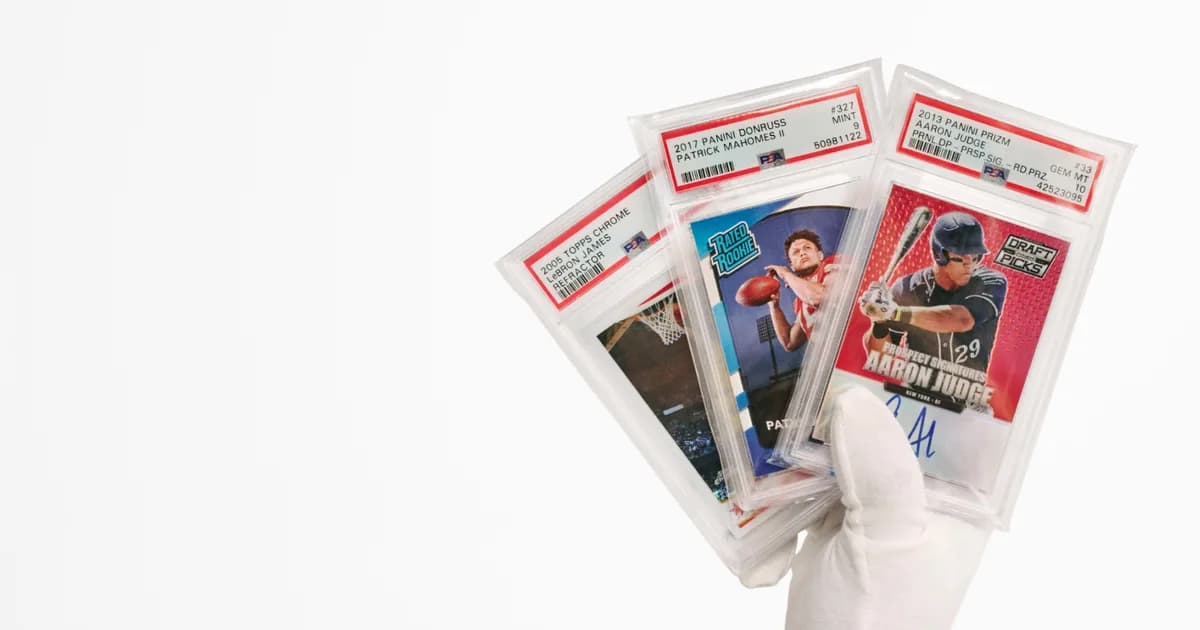
eBay Authenticity Guarantee for Sports Cards: How It Works
Guides · 8 min
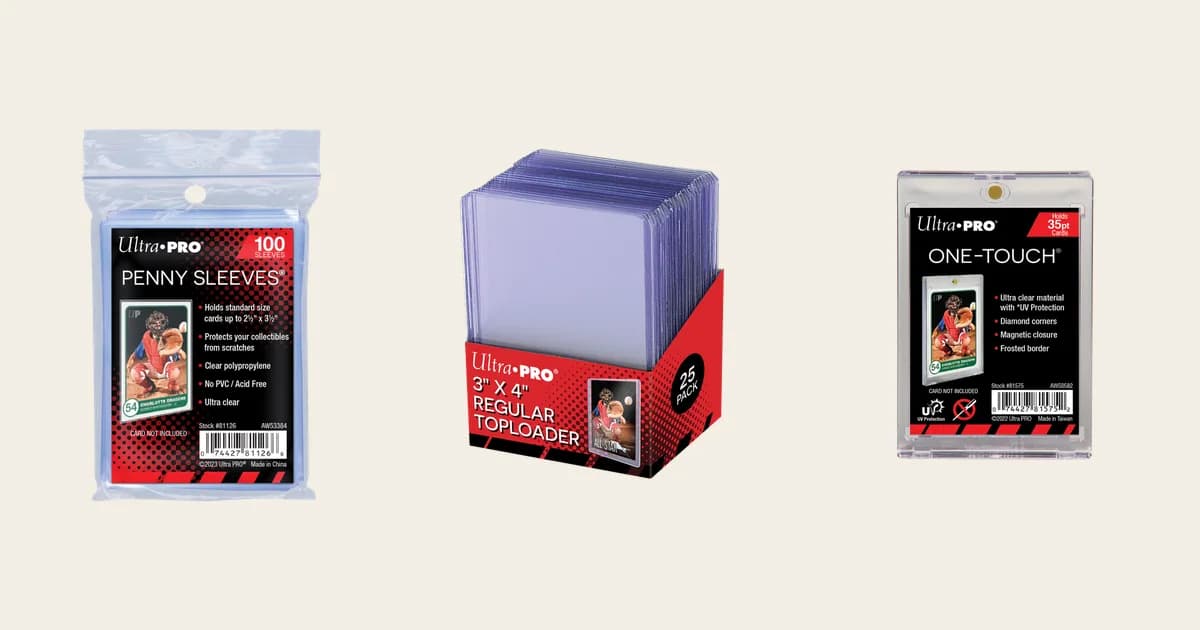
How to Store Sports Cards: Sleeves, Toploaders and Humidity
Guides · 9 min
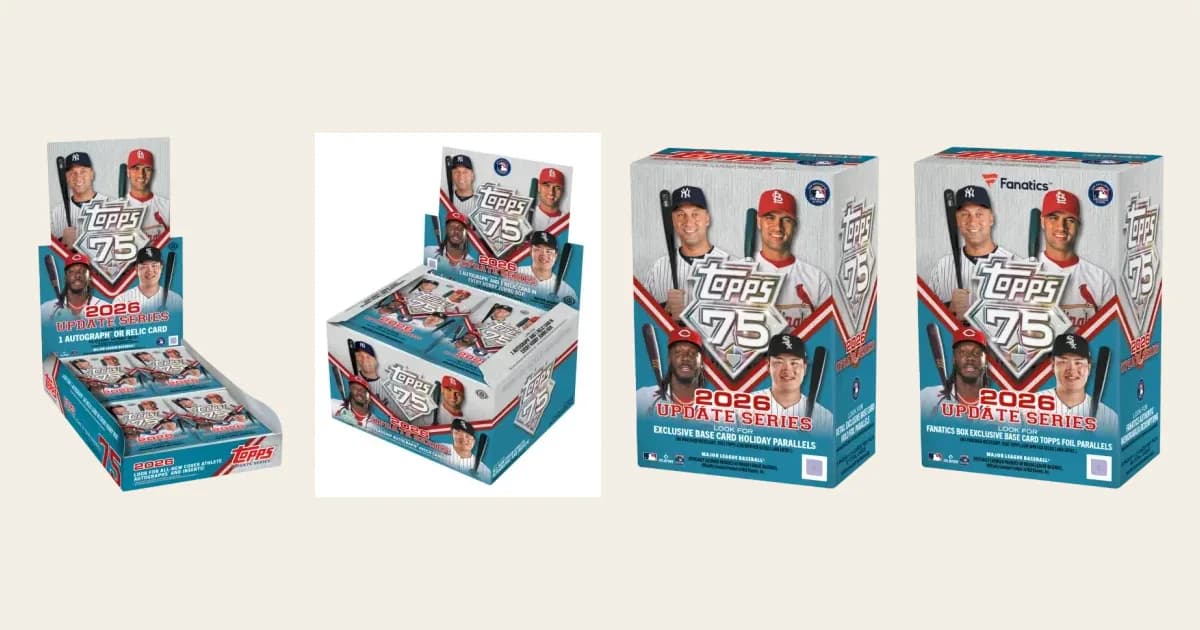
How to Read Sports Card Odds: Topps Odds Sheets Explained
Guides · 11 min

What Is a Case Hit? Sports Card Case Hits Explained
Guides · 8 min
SP vs SSP Cards: What Short Prints and Variations Mean
Guides · 8 min

How to Start Collecting Sports Cards: 2026 Beginner Guide
Guides · 14 min
Numbered Cards Explained: What /99, /25 and 1/1 Mean
Guides · 8 min
PSA Grading Scale Explained: What PSA 10, 9 and 8 Mean
Guides · 9 min
Disclaimer
RookieDesk publishes data, not investment or financial advice. Odds are the manufacturer's published odds, not a promise of what any one box contains. Checklists, release dates, grading fees and prices change after publication; each one here carries the date we checked it. Confirm critical details with the manufacturer, grader or seller before you buy or submit. RookieDesk is independent and not affiliated with any card manufacturer, league or players association, and carries no affiliate links, ads or sponsored posts; see our independence note. Articles are researched and written with AI tools, and every fact is checked against its cited source before publishing; see how we use AI.